Data-intensive Scalable Computing Laboratory (DiSC Lab)
- Algorithms/Systems for Scalable Computing
- Graph Data Mining, Learning, and Visualization
- High Performance Computing
- Artificial Intelligence and Data Science at Scale
- Big Data Applications and Systems

Research Summary
Sponsors
- National Science Foundation (NSF)
- US Dept. of Energy (DoE)
- UNLV FOA/OSP
- Louisiana Board of Regents
- UNO ORSP
Current Lab Members

Rakibul Hassan, PhD Student

Shubhashish Kar, PhD Student

Nitika Pathania, MS Student

Hasan Arikan, BS Student

Chan Lee, MS Student

Prashant Rathore, MS Student

Likhitha Pathpi, MS Student

Aleisha Ortiz, BS Student

Soham Dhore, BS Student/Intl. Intern

Rajnandini Jadhav, BS Student/Intl. Intern
Past PhD Students

Dr. M. Abdul Motaleb Faysal, Faculty at Idaho State University

Dr. Naw Safrin Sattar, Postdoc at Oak Ridge National Lab
Research Projects
-

The Parallel and Resilient Subgraph Matching (PRISM) project tackles one of the fundamental challenges in graph analysis: efficiently finding and counting subgraphs in massive networks. This problem has a broad range of applications, from detecting social network communities to analyzing biological pathways. Our approach focuses on developing innovative, high-performance algorithms that leverage parallel and distributed computing to make subgraph matching and enumeration feasible at large scales. By exploiting data-intensive computing techniques, PRISM aims to push the boundaries of complex network analysis.
-
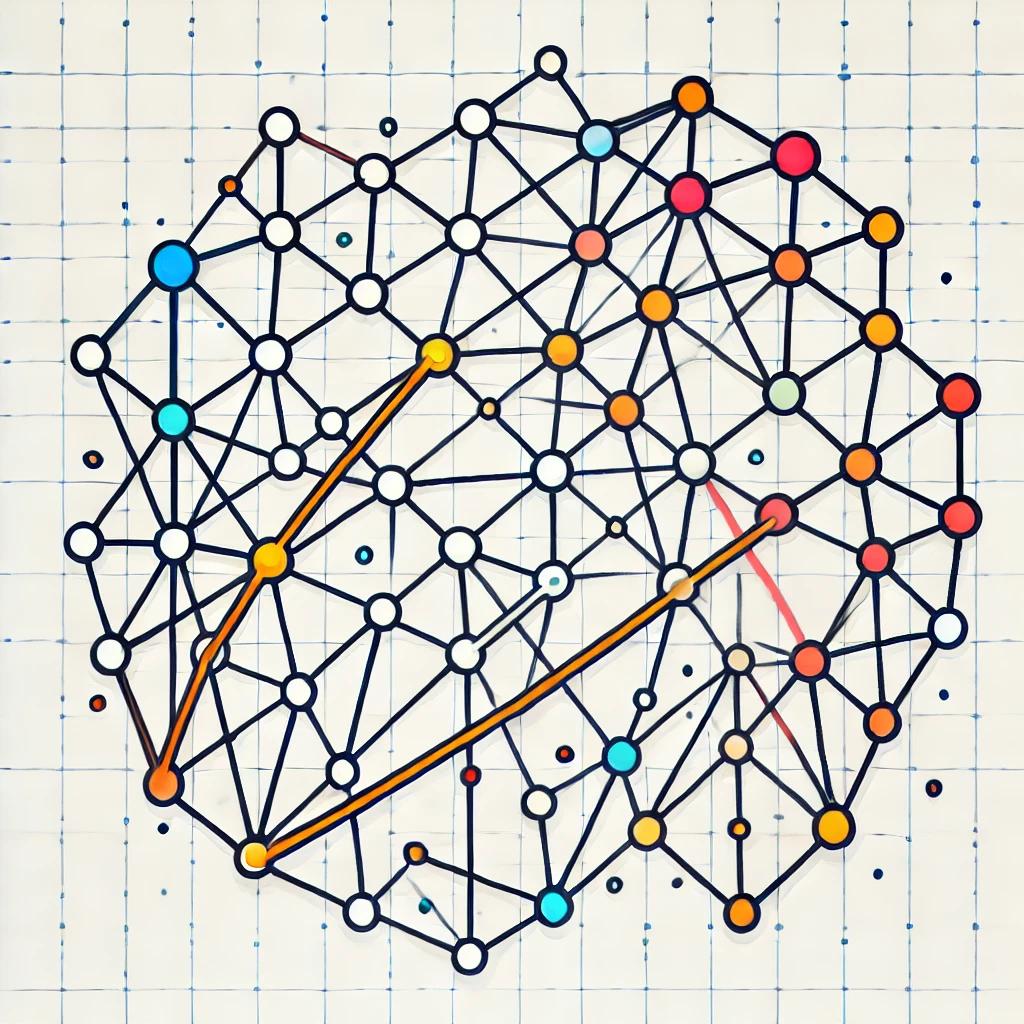
The Parallel and Scalable Path-Related Techniques (PaSPrT) project addresses key challenges in graph optimization, such as finding the shortest paths, computing minimum spanning trees, and solving other path-related problems in large-scale networks. These problems have significant applications in areas like transportation networks, communication systems, and infrastructure planning. Our work focuses on developing cutting-edge algorithms that utilize parallel and distributed computing to efficiently solve these path-related problems, making them tractable even in massive graphs. With PaSPrT, we aim to advance the state-of-the-art in scalable path-related techniques for graph algorithm optimization.
-
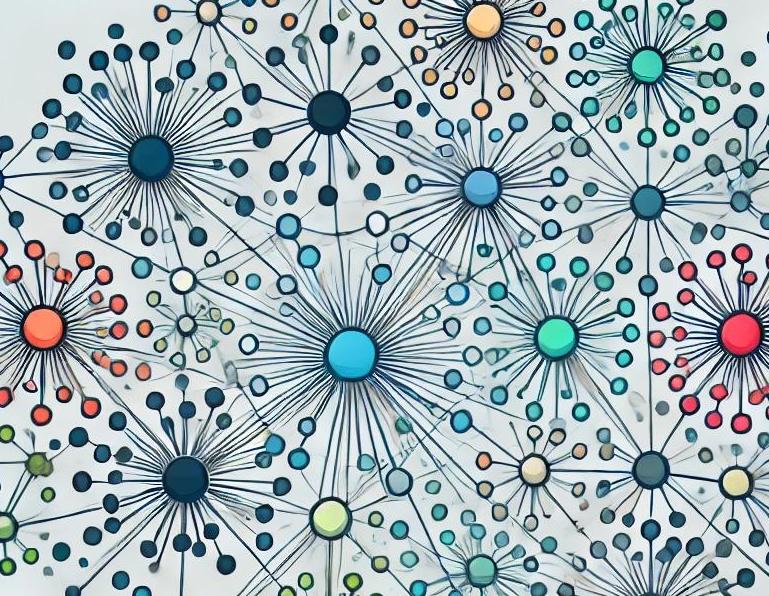
Complex systems are organized in clusters or communities, each having distinct role or function. In the corresponding network representation, each functional unit (community) appears as a tightly-knit set of nodes having a higher connection inside the set than outside. Finding communities may reveal the organization of complex systems and their function. We are currently working on designing parallel scalable algorithms for detecting communities in large-scale networks.
-
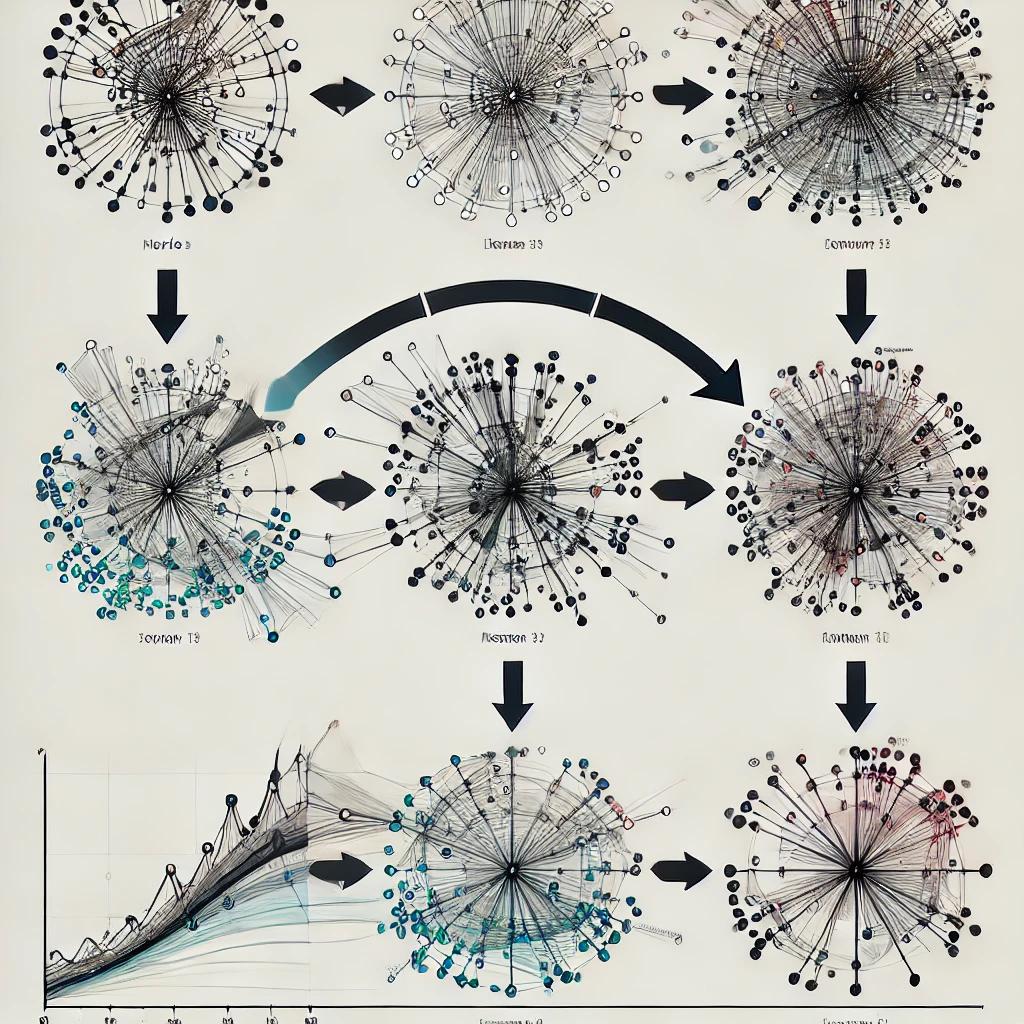
Real complex systems are inherently time-varying and can be modeled as temporal graphs (networks). Examples include social, transportation, and many forms of biological networks. Standard graph metrics introduced so far in complex network theory are mainly suited for static graphs, i.e., graphs in which the links do not change over time. In this work, we aim at designing scalable parallel algorithms for mining large time-varying networks. Thanks to our collaborator from Performance and Algorithms Group at Berkeley Lab.
-

Some of the works include: Twitter sentiment analysis and covid vaccination rate prediction; Semi-supervised community detection using graph convolutional network; Data parallel large deep neural netowrk on GPUs; Predictive model for web spam detection.
-
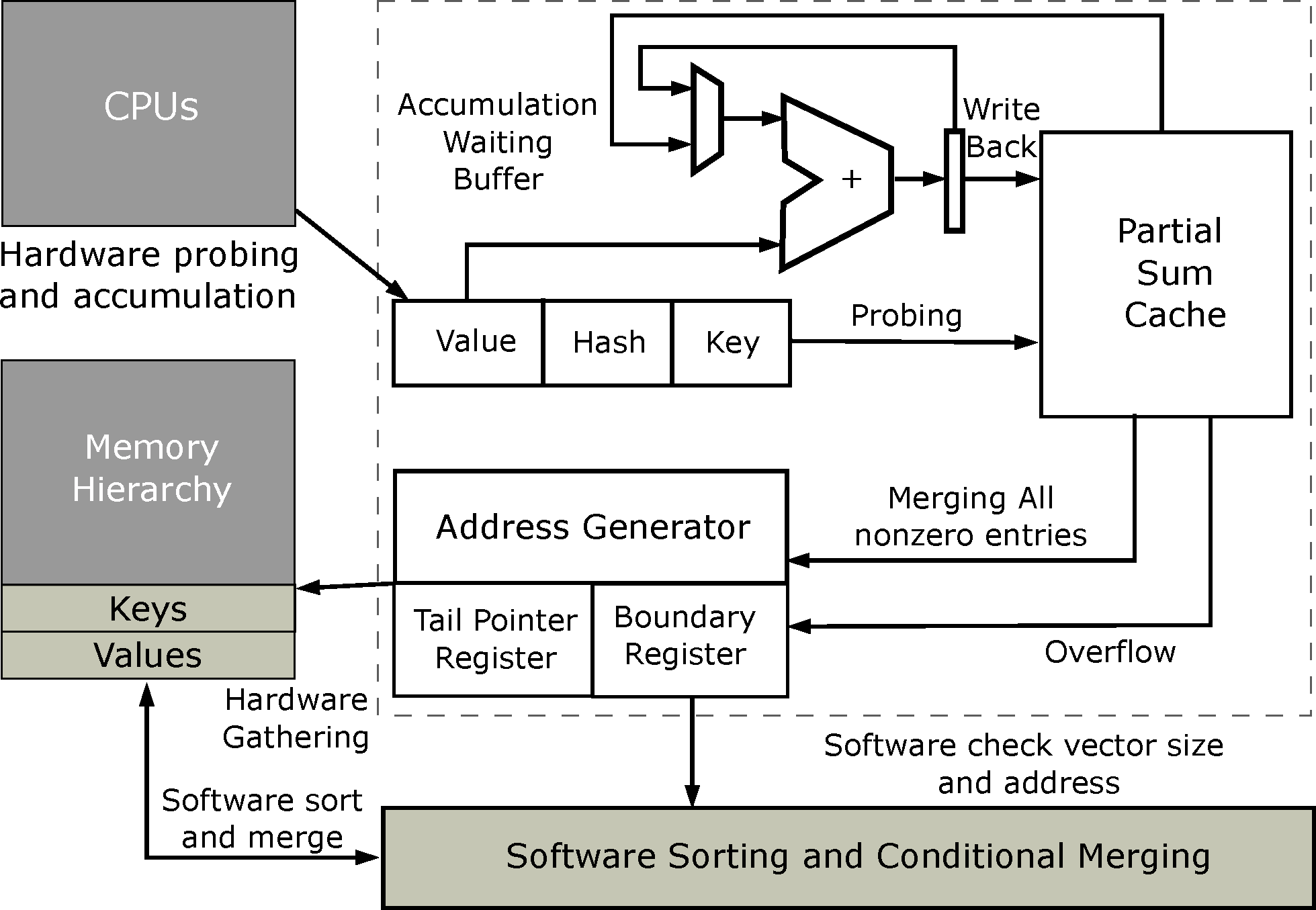
We are investigating hardware design implications for several scientific data analytics kernels. Thanks to our collaborators from the Computer Architecture Group of LBNL.
-
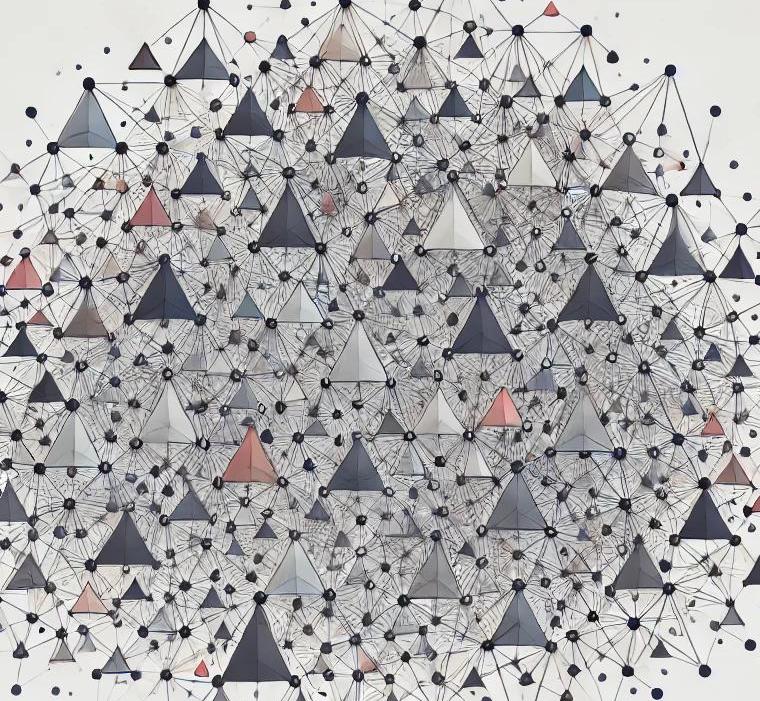 Counting triangles in a network is an important algorithmic problem arising in the study of complex networks. An efficient solution to the triangle counting problem can also lead to efficient solutions for many other graph-theoretic problems, e.g. computation of clustering coefficient, transitivity, and triangular connectivity. Further, triangle counting has important applications in graph analysis. We design efficient parallel algorithms for counting triangles.
* Note that the above code is a research code and is intended for friendly use. The authors will try their best to address any questions/queries/issues. Users are advised to contact with the authors for any newer (or optimized) version of the code. However, for most general use cases, the provided code should suffice. -
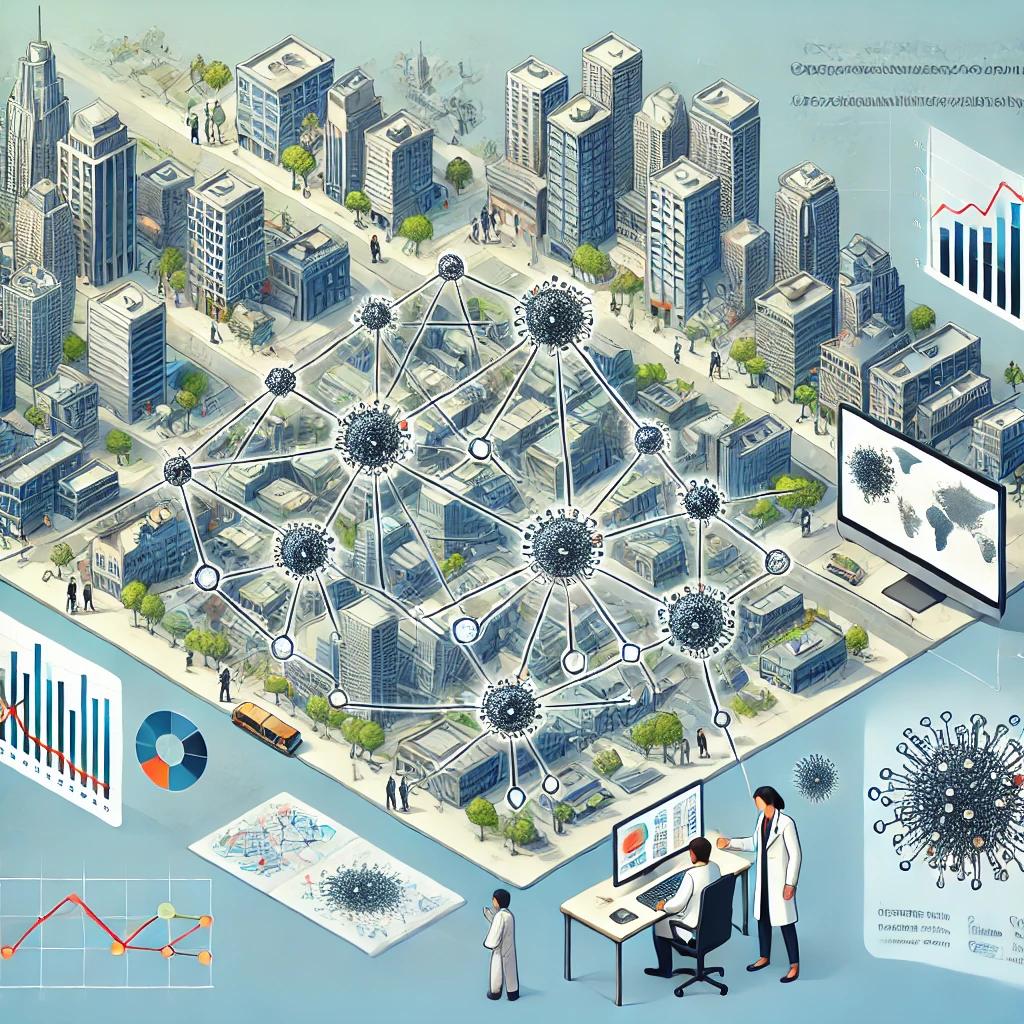
This project aims to unravel the complex dynamics of epidemics in urban settings by leveraging data-driven social network analysis. By identifying key hubs within urban social networks, Epi-HUB seeks to pinpoint critical nodes that contribute to the spread of infectious diseases. This approach helps guide effective mitigation efforts, providing valuable insights into how targeted interventions can curb epidemic outbreaks and protect urban populations.
-
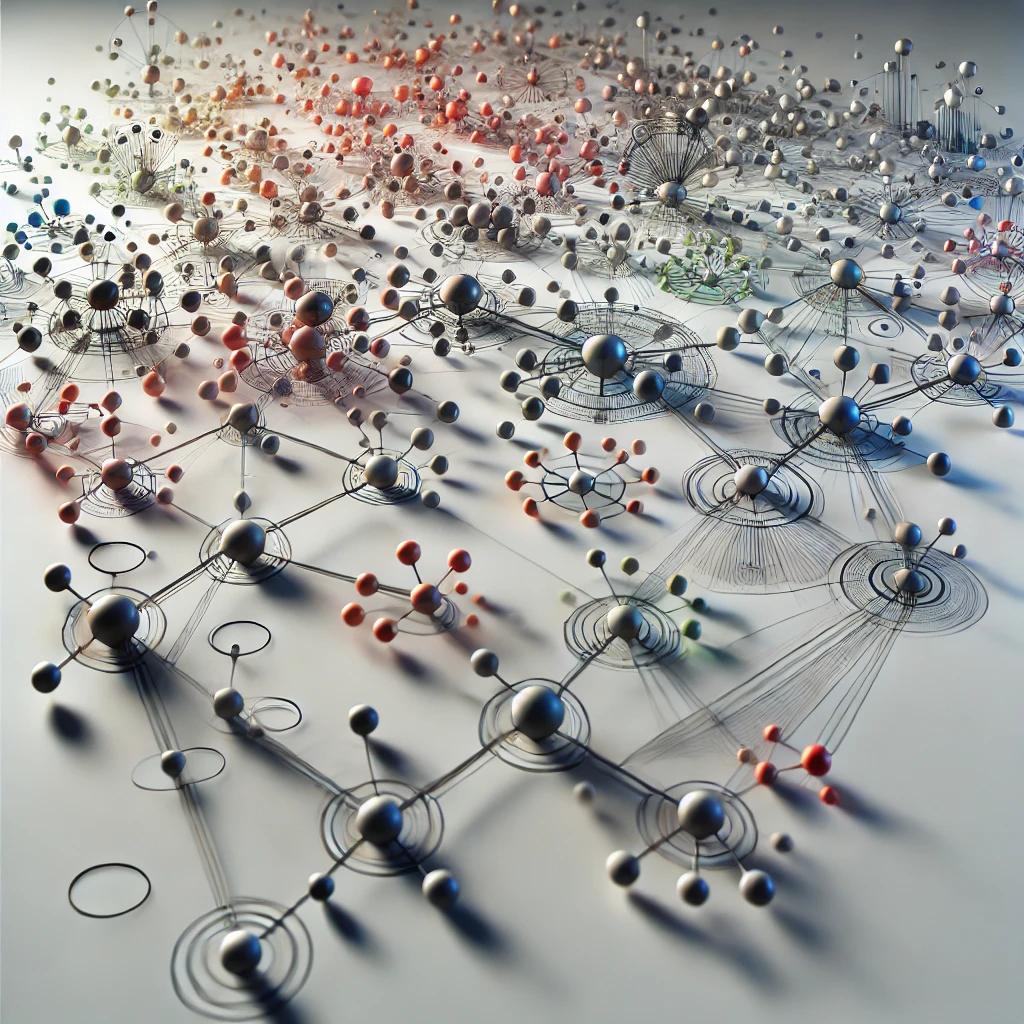
In this project, we identify several popular network visualization tools and provide a comparative analysis based on the features and operations these tools support. We demonstrate empirically how those tools scale to large networks. We also provide several case studies of visual analytics on large network data and assess performances of the tools.